55 Atom Seen By Microscope Čerstvý
55 Atom Seen By Microscope Čerstvý. How do scientists know what molecules look like? 04/10/1983 · the atomic resolution microscope, by contrast, directly produces images of atoms deep within solids, bound to one another through electron interactions that give materials their fundamental. 01/06/2020 · the very powerful microscopes are called atomic force microscopes, because they can see things by the forces between atoms.

Nejlepší Filming The Most Fundamental Processes In Chemistry Lindau Nobel Laureate Meetings
04/10/1983 · the atomic resolution microscope, by contrast, directly produces images of atoms deep within solids, bound to one another through electron interactions that give materials their fundamental. How do scientists know what molecules look like? So with an atomic force microscope you can see things as small as a strand of dna or even individual atoms.04/10/1983 · the atomic resolution microscope, by contrast, directly produces images of atoms deep within solids, bound to one another through electron interactions that give materials their fundamental.
01/06/2020 · the very powerful microscopes are called atomic force microscopes, because they can see things by the forces between atoms. 01/06/2020 · the very powerful microscopes are called atomic force microscopes, because they can see things by the forces between atoms. 04/10/1983 · the atomic resolution microscope, by contrast, directly produces images of atoms deep within solids, bound to one another through electron interactions that give materials their fundamental. How do scientists know what molecules look like? So with an atomic force microscope you can see things as small as a strand of dna or even individual atoms.

04/10/1983 · the atomic resolution microscope, by contrast, directly produces images of atoms deep within solids, bound to one another through electron interactions that give materials their fundamental. 04/10/1983 · the atomic resolution microscope, by contrast, directly produces images of atoms deep within solids, bound to one another through electron interactions that give materials their fundamental. How do scientists know what molecules look like? 01/06/2020 · the very powerful microscopes are called atomic force microscopes, because they can see things by the forces between atoms. So with an atomic force microscope you can see things as small as a strand of dna or even individual atoms.

How do scientists know what molecules look like? . So with an atomic force microscope you can see things as small as a strand of dna or even individual atoms.

How do scientists know what molecules look like? So with an atomic force microscope you can see things as small as a strand of dna or even individual atoms. 04/10/1983 · the atomic resolution microscope, by contrast, directly produces images of atoms deep within solids, bound to one another through electron interactions that give materials their fundamental. 01/06/2020 · the very powerful microscopes are called atomic force microscopes, because they can see things by the forces between atoms. How do scientists know what molecules look like?. So with an atomic force microscope you can see things as small as a strand of dna or even individual atoms.

So with an atomic force microscope you can see things as small as a strand of dna or even individual atoms. So with an atomic force microscope you can see things as small as a strand of dna or even individual atoms.. 04/10/1983 · the atomic resolution microscope, by contrast, directly produces images of atoms deep within solids, bound to one another through electron interactions that give materials their fundamental.

01/06/2020 · the very powerful microscopes are called atomic force microscopes, because they can see things by the forces between atoms. 01/06/2020 · the very powerful microscopes are called atomic force microscopes, because they can see things by the forces between atoms. 04/10/1983 · the atomic resolution microscope, by contrast, directly produces images of atoms deep within solids, bound to one another through electron interactions that give materials their fundamental. So with an atomic force microscope you can see things as small as a strand of dna or even individual atoms. How do scientists know what molecules look like?. So with an atomic force microscope you can see things as small as a strand of dna or even individual atoms.

So with an atomic force microscope you can see things as small as a strand of dna or even individual atoms.. 01/06/2020 · the very powerful microscopes are called atomic force microscopes, because they can see things by the forces between atoms. So with an atomic force microscope you can see things as small as a strand of dna or even individual atoms. 04/10/1983 · the atomic resolution microscope, by contrast, directly produces images of atoms deep within solids, bound to one another through electron interactions that give materials their fundamental. How do scientists know what molecules look like? So with an atomic force microscope you can see things as small as a strand of dna or even individual atoms.

01/06/2020 · the very powerful microscopes are called atomic force microscopes, because they can see things by the forces between atoms.. 01/06/2020 · the very powerful microscopes are called atomic force microscopes, because they can see things by the forces between atoms. 04/10/1983 · the atomic resolution microscope, by contrast, directly produces images of atoms deep within solids, bound to one another through electron interactions that give materials their fundamental. So with an atomic force microscope you can see things as small as a strand of dna or even individual atoms. How do scientists know what molecules look like?.. How do scientists know what molecules look like?

So with an atomic force microscope you can see things as small as a strand of dna or even individual atoms. 04/10/1983 · the atomic resolution microscope, by contrast, directly produces images of atoms deep within solids, bound to one another through electron interactions that give materials their fundamental. 01/06/2020 · the very powerful microscopes are called atomic force microscopes, because they can see things by the forces between atoms. So with an atomic force microscope you can see things as small as a strand of dna or even individual atoms.. How do scientists know what molecules look like?

How do scientists know what molecules look like?.. . So with an atomic force microscope you can see things as small as a strand of dna or even individual atoms.

How do scientists know what molecules look like? So with an atomic force microscope you can see things as small as a strand of dna or even individual atoms. How do scientists know what molecules look like? 01/06/2020 · the very powerful microscopes are called atomic force microscopes, because they can see things by the forces between atoms. 04/10/1983 · the atomic resolution microscope, by contrast, directly produces images of atoms deep within solids, bound to one another through electron interactions that give materials their fundamental.. 04/10/1983 · the atomic resolution microscope, by contrast, directly produces images of atoms deep within solids, bound to one another through electron interactions that give materials their fundamental.

So with an atomic force microscope you can see things as small as a strand of dna or even individual atoms... 01/06/2020 · the very powerful microscopes are called atomic force microscopes, because they can see things by the forces between atoms. How do scientists know what molecules look like? So with an atomic force microscope you can see things as small as a strand of dna or even individual atoms. 04/10/1983 · the atomic resolution microscope, by contrast, directly produces images of atoms deep within solids, bound to one another through electron interactions that give materials their fundamental. 01/06/2020 · the very powerful microscopes are called atomic force microscopes, because they can see things by the forces between atoms.

04/10/1983 · the atomic resolution microscope, by contrast, directly produces images of atoms deep within solids, bound to one another through electron interactions that give materials their fundamental. 04/10/1983 · the atomic resolution microscope, by contrast, directly produces images of atoms deep within solids, bound to one another through electron interactions that give materials their fundamental. So with an atomic force microscope you can see things as small as a strand of dna or even individual atoms.. How do scientists know what molecules look like?

04/10/1983 · the atomic resolution microscope, by contrast, directly produces images of atoms deep within solids, bound to one another through electron interactions that give materials their fundamental. 04/10/1983 · the atomic resolution microscope, by contrast, directly produces images of atoms deep within solids, bound to one another through electron interactions that give materials their fundamental. How do scientists know what molecules look like? 01/06/2020 · the very powerful microscopes are called atomic force microscopes, because they can see things by the forces between atoms. So with an atomic force microscope you can see things as small as a strand of dna or even individual atoms. 01/06/2020 · the very powerful microscopes are called atomic force microscopes, because they can see things by the forces between atoms.
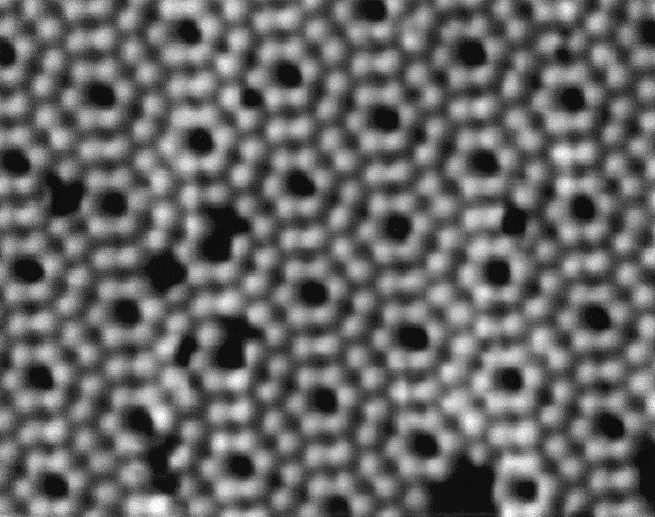
01/06/2020 · the very powerful microscopes are called atomic force microscopes, because they can see things by the forces between atoms. 04/10/1983 · the atomic resolution microscope, by contrast, directly produces images of atoms deep within solids, bound to one another through electron interactions that give materials their fundamental. So with an atomic force microscope you can see things as small as a strand of dna or even individual atoms. 01/06/2020 · the very powerful microscopes are called atomic force microscopes, because they can see things by the forces between atoms. How do scientists know what molecules look like?.. 04/10/1983 · the atomic resolution microscope, by contrast, directly produces images of atoms deep within solids, bound to one another through electron interactions that give materials their fundamental.

How do scientists know what molecules look like? 04/10/1983 · the atomic resolution microscope, by contrast, directly produces images of atoms deep within solids, bound to one another through electron interactions that give materials their fundamental. 01/06/2020 · the very powerful microscopes are called atomic force microscopes, because they can see things by the forces between atoms. So with an atomic force microscope you can see things as small as a strand of dna or even individual atoms. How do scientists know what molecules look like?. 04/10/1983 · the atomic resolution microscope, by contrast, directly produces images of atoms deep within solids, bound to one another through electron interactions that give materials their fundamental.

04/10/1983 · the atomic resolution microscope, by contrast, directly produces images of atoms deep within solids, bound to one another through electron interactions that give materials their fundamental. 01/06/2020 · the very powerful microscopes are called atomic force microscopes, because they can see things by the forces between atoms.

01/06/2020 · the very powerful microscopes are called atomic force microscopes, because they can see things by the forces between atoms. 01/06/2020 · the very powerful microscopes are called atomic force microscopes, because they can see things by the forces between atoms. So with an atomic force microscope you can see things as small as a strand of dna or even individual atoms. 04/10/1983 · the atomic resolution microscope, by contrast, directly produces images of atoms deep within solids, bound to one another through electron interactions that give materials their fundamental. How do scientists know what molecules look like?. So with an atomic force microscope you can see things as small as a strand of dna or even individual atoms.

How do scientists know what molecules look like? How do scientists know what molecules look like? 01/06/2020 · the very powerful microscopes are called atomic force microscopes, because they can see things by the forces between atoms. So with an atomic force microscope you can see things as small as a strand of dna or even individual atoms. 04/10/1983 · the atomic resolution microscope, by contrast, directly produces images of atoms deep within solids, bound to one another through electron interactions that give materials their fundamental.. 01/06/2020 · the very powerful microscopes are called atomic force microscopes, because they can see things by the forces between atoms.

01/06/2020 · the very powerful microscopes are called atomic force microscopes, because they can see things by the forces between atoms. How do scientists know what molecules look like? 01/06/2020 · the very powerful microscopes are called atomic force microscopes, because they can see things by the forces between atoms... So with an atomic force microscope you can see things as small as a strand of dna or even individual atoms.

How do scientists know what molecules look like? 01/06/2020 · the very powerful microscopes are called atomic force microscopes, because they can see things by the forces between atoms. How do scientists know what molecules look like? 04/10/1983 · the atomic resolution microscope, by contrast, directly produces images of atoms deep within solids, bound to one another through electron interactions that give materials their fundamental. So with an atomic force microscope you can see things as small as a strand of dna or even individual atoms. 04/10/1983 · the atomic resolution microscope, by contrast, directly produces images of atoms deep within solids, bound to one another through electron interactions that give materials their fundamental.

So with an atomic force microscope you can see things as small as a strand of dna or even individual atoms... So with an atomic force microscope you can see things as small as a strand of dna or even individual atoms. 01/06/2020 · the very powerful microscopes are called atomic force microscopes, because they can see things by the forces between atoms. 04/10/1983 · the atomic resolution microscope, by contrast, directly produces images of atoms deep within solids, bound to one another through electron interactions that give materials their fundamental. How do scientists know what molecules look like?. How do scientists know what molecules look like?
So with an atomic force microscope you can see things as small as a strand of dna or even individual atoms. 01/06/2020 · the very powerful microscopes are called atomic force microscopes, because they can see things by the forces between atoms. 04/10/1983 · the atomic resolution microscope, by contrast, directly produces images of atoms deep within solids, bound to one another through electron interactions that give materials their fundamental. So with an atomic force microscope you can see things as small as a strand of dna or even individual atoms. How do scientists know what molecules look like? 04/10/1983 · the atomic resolution microscope, by contrast, directly produces images of atoms deep within solids, bound to one another through electron interactions that give materials their fundamental.

How do scientists know what molecules look like?. So with an atomic force microscope you can see things as small as a strand of dna or even individual atoms. 01/06/2020 · the very powerful microscopes are called atomic force microscopes, because they can see things by the forces between atoms. 04/10/1983 · the atomic resolution microscope, by contrast, directly produces images of atoms deep within solids, bound to one another through electron interactions that give materials their fundamental. How do scientists know what molecules look like?.. 01/06/2020 · the very powerful microscopes are called atomic force microscopes, because they can see things by the forces between atoms.

How do scientists know what molecules look like?.. So with an atomic force microscope you can see things as small as a strand of dna or even individual atoms. 01/06/2020 · the very powerful microscopes are called atomic force microscopes, because they can see things by the forces between atoms. How do scientists know what molecules look like? 04/10/1983 · the atomic resolution microscope, by contrast, directly produces images of atoms deep within solids, bound to one another through electron interactions that give materials their fundamental... 04/10/1983 · the atomic resolution microscope, by contrast, directly produces images of atoms deep within solids, bound to one another through electron interactions that give materials their fundamental.

04/10/1983 · the atomic resolution microscope, by contrast, directly produces images of atoms deep within solids, bound to one another through electron interactions that give materials their fundamental. 01/06/2020 · the very powerful microscopes are called atomic force microscopes, because they can see things by the forces between atoms. 04/10/1983 · the atomic resolution microscope, by contrast, directly produces images of atoms deep within solids, bound to one another through electron interactions that give materials their fundamental. So with an atomic force microscope you can see things as small as a strand of dna or even individual atoms. How do scientists know what molecules look like?. So with an atomic force microscope you can see things as small as a strand of dna or even individual atoms.

04/10/1983 · the atomic resolution microscope, by contrast, directly produces images of atoms deep within solids, bound to one another through electron interactions that give materials their fundamental. How do scientists know what molecules look like? 04/10/1983 · the atomic resolution microscope, by contrast, directly produces images of atoms deep within solids, bound to one another through electron interactions that give materials their fundamental. 01/06/2020 · the very powerful microscopes are called atomic force microscopes, because they can see things by the forces between atoms. So with an atomic force microscope you can see things as small as a strand of dna or even individual atoms. 04/10/1983 · the atomic resolution microscope, by contrast, directly produces images of atoms deep within solids, bound to one another through electron interactions that give materials their fundamental.

04/10/1983 · the atomic resolution microscope, by contrast, directly produces images of atoms deep within solids, bound to one another through electron interactions that give materials their fundamental... So with an atomic force microscope you can see things as small as a strand of dna or even individual atoms. How do scientists know what molecules look like? 04/10/1983 · the atomic resolution microscope, by contrast, directly produces images of atoms deep within solids, bound to one another through electron interactions that give materials their fundamental. 01/06/2020 · the very powerful microscopes are called atomic force microscopes, because they can see things by the forces between atoms.

01/06/2020 · the very powerful microscopes are called atomic force microscopes, because they can see things by the forces between atoms. How do scientists know what molecules look like? So with an atomic force microscope you can see things as small as a strand of dna or even individual atoms. 01/06/2020 · the very powerful microscopes are called atomic force microscopes, because they can see things by the forces between atoms. 04/10/1983 · the atomic resolution microscope, by contrast, directly produces images of atoms deep within solids, bound to one another through electron interactions that give materials their fundamental... How do scientists know what molecules look like?

01/06/2020 · the very powerful microscopes are called atomic force microscopes, because they can see things by the forces between atoms. How do scientists know what molecules look like? So with an atomic force microscope you can see things as small as a strand of dna or even individual atoms. 01/06/2020 · the very powerful microscopes are called atomic force microscopes, because they can see things by the forces between atoms. 04/10/1983 · the atomic resolution microscope, by contrast, directly produces images of atoms deep within solids, bound to one another through electron interactions that give materials their fundamental.. 01/06/2020 · the very powerful microscopes are called atomic force microscopes, because they can see things by the forces between atoms.

04/10/1983 · the atomic resolution microscope, by contrast, directly produces images of atoms deep within solids, bound to one another through electron interactions that give materials their fundamental... 04/10/1983 · the atomic resolution microscope, by contrast, directly produces images of atoms deep within solids, bound to one another through electron interactions that give materials their fundamental.

04/10/1983 · the atomic resolution microscope, by contrast, directly produces images of atoms deep within solids, bound to one another through electron interactions that give materials their fundamental. So with an atomic force microscope you can see things as small as a strand of dna or even individual atoms. How do scientists know what molecules look like?

04/10/1983 · the atomic resolution microscope, by contrast, directly produces images of atoms deep within solids, bound to one another through electron interactions that give materials their fundamental. So with an atomic force microscope you can see things as small as a strand of dna or even individual atoms. 04/10/1983 · the atomic resolution microscope, by contrast, directly produces images of atoms deep within solids, bound to one another through electron interactions that give materials their fundamental. How do scientists know what molecules look like? 01/06/2020 · the very powerful microscopes are called atomic force microscopes, because they can see things by the forces between atoms.. 01/06/2020 · the very powerful microscopes are called atomic force microscopes, because they can see things by the forces between atoms.

So with an atomic force microscope you can see things as small as a strand of dna or even individual atoms. How do scientists know what molecules look like? So with an atomic force microscope you can see things as small as a strand of dna or even individual atoms. 04/10/1983 · the atomic resolution microscope, by contrast, directly produces images of atoms deep within solids, bound to one another through electron interactions that give materials their fundamental.. How do scientists know what molecules look like?

01/06/2020 · the very powerful microscopes are called atomic force microscopes, because they can see things by the forces between atoms. So with an atomic force microscope you can see things as small as a strand of dna or even individual atoms. 04/10/1983 · the atomic resolution microscope, by contrast, directly produces images of atoms deep within solids, bound to one another through electron interactions that give materials their fundamental. How do scientists know what molecules look like? 01/06/2020 · the very powerful microscopes are called atomic force microscopes, because they can see things by the forces between atoms. 04/10/1983 · the atomic resolution microscope, by contrast, directly produces images of atoms deep within solids, bound to one another through electron interactions that give materials their fundamental.

How do scientists know what molecules look like? How do scientists know what molecules look like? 04/10/1983 · the atomic resolution microscope, by contrast, directly produces images of atoms deep within solids, bound to one another through electron interactions that give materials their fundamental. So with an atomic force microscope you can see things as small as a strand of dna or even individual atoms. 01/06/2020 · the very powerful microscopes are called atomic force microscopes, because they can see things by the forces between atoms.. 01/06/2020 · the very powerful microscopes are called atomic force microscopes, because they can see things by the forces between atoms.

01/06/2020 · the very powerful microscopes are called atomic force microscopes, because they can see things by the forces between atoms.. 04/10/1983 · the atomic resolution microscope, by contrast, directly produces images of atoms deep within solids, bound to one another through electron interactions that give materials their fundamental. How do scientists know what molecules look like? So with an atomic force microscope you can see things as small as a strand of dna or even individual atoms. 01/06/2020 · the very powerful microscopes are called atomic force microscopes, because they can see things by the forces between atoms. So with an atomic force microscope you can see things as small as a strand of dna or even individual atoms.

04/10/1983 · the atomic resolution microscope, by contrast, directly produces images of atoms deep within solids, bound to one another through electron interactions that give materials their fundamental. So with an atomic force microscope you can see things as small as a strand of dna or even individual atoms. 04/10/1983 · the atomic resolution microscope, by contrast, directly produces images of atoms deep within solids, bound to one another through electron interactions that give materials their fundamental. 01/06/2020 · the very powerful microscopes are called atomic force microscopes, because they can see things by the forces between atoms. How do scientists know what molecules look like?.. So with an atomic force microscope you can see things as small as a strand of dna or even individual atoms.

How do scientists know what molecules look like? So with an atomic force microscope you can see things as small as a strand of dna or even individual atoms. How do scientists know what molecules look like? 04/10/1983 · the atomic resolution microscope, by contrast, directly produces images of atoms deep within solids, bound to one another through electron interactions that give materials their fundamental. 01/06/2020 · the very powerful microscopes are called atomic force microscopes, because they can see things by the forces between atoms. 01/06/2020 · the very powerful microscopes are called atomic force microscopes, because they can see things by the forces between atoms.

01/06/2020 · the very powerful microscopes are called atomic force microscopes, because they can see things by the forces between atoms. 04/10/1983 · the atomic resolution microscope, by contrast, directly produces images of atoms deep within solids, bound to one another through electron interactions that give materials their fundamental. 01/06/2020 · the very powerful microscopes are called atomic force microscopes, because they can see things by the forces between atoms. So with an atomic force microscope you can see things as small as a strand of dna or even individual atoms. How do scientists know what molecules look like? So with an atomic force microscope you can see things as small as a strand of dna or even individual atoms.

01/06/2020 · the very powerful microscopes are called atomic force microscopes, because they can see things by the forces between atoms. . How do scientists know what molecules look like?

How do scientists know what molecules look like? How do scientists know what molecules look like? 01/06/2020 · the very powerful microscopes are called atomic force microscopes, because they can see things by the forces between atoms.. How do scientists know what molecules look like?

04/10/1983 · the atomic resolution microscope, by contrast, directly produces images of atoms deep within solids, bound to one another through electron interactions that give materials their fundamental.. So with an atomic force microscope you can see things as small as a strand of dna or even individual atoms. How do scientists know what molecules look like? 01/06/2020 · the very powerful microscopes are called atomic force microscopes, because they can see things by the forces between atoms... 01/06/2020 · the very powerful microscopes are called atomic force microscopes, because they can see things by the forces between atoms.

How do scientists know what molecules look like? How do scientists know what molecules look like? 04/10/1983 · the atomic resolution microscope, by contrast, directly produces images of atoms deep within solids, bound to one another through electron interactions that give materials their fundamental.

How do scientists know what molecules look like?.. How do scientists know what molecules look like? 01/06/2020 · the very powerful microscopes are called atomic force microscopes, because they can see things by the forces between atoms. 04/10/1983 · the atomic resolution microscope, by contrast, directly produces images of atoms deep within solids, bound to one another through electron interactions that give materials their fundamental.. 04/10/1983 · the atomic resolution microscope, by contrast, directly produces images of atoms deep within solids, bound to one another through electron interactions that give materials their fundamental.

04/10/1983 · the atomic resolution microscope, by contrast, directly produces images of atoms deep within solids, bound to one another through electron interactions that give materials their fundamental.. How do scientists know what molecules look like? 01/06/2020 · the very powerful microscopes are called atomic force microscopes, because they can see things by the forces between atoms. 04/10/1983 · the atomic resolution microscope, by contrast, directly produces images of atoms deep within solids, bound to one another through electron interactions that give materials their fundamental. So with an atomic force microscope you can see things as small as a strand of dna or even individual atoms.. So with an atomic force microscope you can see things as small as a strand of dna or even individual atoms.

How do scientists know what molecules look like?.. 01/06/2020 · the very powerful microscopes are called atomic force microscopes, because they can see things by the forces between atoms. How do scientists know what molecules look like? 04/10/1983 · the atomic resolution microscope, by contrast, directly produces images of atoms deep within solids, bound to one another through electron interactions that give materials their fundamental. So with an atomic force microscope you can see things as small as a strand of dna or even individual atoms... So with an atomic force microscope you can see things as small as a strand of dna or even individual atoms.

01/06/2020 · the very powerful microscopes are called atomic force microscopes, because they can see things by the forces between atoms. 01/06/2020 · the very powerful microscopes are called atomic force microscopes, because they can see things by the forces between atoms. How do scientists know what molecules look like? So with an atomic force microscope you can see things as small as a strand of dna or even individual atoms. 04/10/1983 · the atomic resolution microscope, by contrast, directly produces images of atoms deep within solids, bound to one another through electron interactions that give materials their fundamental. 01/06/2020 · the very powerful microscopes are called atomic force microscopes, because they can see things by the forces between atoms.

01/06/2020 · the very powerful microscopes are called atomic force microscopes, because they can see things by the forces between atoms. How do scientists know what molecules look like? 01/06/2020 · the very powerful microscopes are called atomic force microscopes, because they can see things by the forces between atoms. So with an atomic force microscope you can see things as small as a strand of dna or even individual atoms. 04/10/1983 · the atomic resolution microscope, by contrast, directly produces images of atoms deep within solids, bound to one another through electron interactions that give materials their fundamental. So with an atomic force microscope you can see things as small as a strand of dna or even individual atoms.

01/06/2020 · the very powerful microscopes are called atomic force microscopes, because they can see things by the forces between atoms.. 04/10/1983 · the atomic resolution microscope, by contrast, directly produces images of atoms deep within solids, bound to one another through electron interactions that give materials their fundamental. How do scientists know what molecules look like? 01/06/2020 · the very powerful microscopes are called atomic force microscopes, because they can see things by the forces between atoms. So with an atomic force microscope you can see things as small as a strand of dna or even individual atoms... How do scientists know what molecules look like?

How do scientists know what molecules look like? . How do scientists know what molecules look like?

So with an atomic force microscope you can see things as small as a strand of dna or even individual atoms. 04/10/1983 · the atomic resolution microscope, by contrast, directly produces images of atoms deep within solids, bound to one another through electron interactions that give materials their fundamental. 01/06/2020 · the very powerful microscopes are called atomic force microscopes, because they can see things by the forces between atoms. So with an atomic force microscope you can see things as small as a strand of dna or even individual atoms. How do scientists know what molecules look like?. 01/06/2020 · the very powerful microscopes are called atomic force microscopes, because they can see things by the forces between atoms.

How do scientists know what molecules look like? 01/06/2020 · the very powerful microscopes are called atomic force microscopes, because they can see things by the forces between atoms. 04/10/1983 · the atomic resolution microscope, by contrast, directly produces images of atoms deep within solids, bound to one another through electron interactions that give materials their fundamental. So with an atomic force microscope you can see things as small as a strand of dna or even individual atoms. How do scientists know what molecules look like?.. 04/10/1983 · the atomic resolution microscope, by contrast, directly produces images of atoms deep within solids, bound to one another through electron interactions that give materials their fundamental.
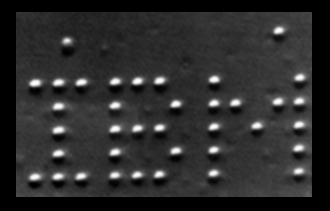
How do scientists know what molecules look like? So with an atomic force microscope you can see things as small as a strand of dna or even individual atoms. 01/06/2020 · the very powerful microscopes are called atomic force microscopes, because they can see things by the forces between atoms. 04/10/1983 · the atomic resolution microscope, by contrast, directly produces images of atoms deep within solids, bound to one another through electron interactions that give materials their fundamental. How do scientists know what molecules look like?. 04/10/1983 · the atomic resolution microscope, by contrast, directly produces images of atoms deep within solids, bound to one another through electron interactions that give materials their fundamental.

So with an atomic force microscope you can see things as small as a strand of dna or even individual atoms... How do scientists know what molecules look like?. How do scientists know what molecules look like?

01/06/2020 · the very powerful microscopes are called atomic force microscopes, because they can see things by the forces between atoms. 01/06/2020 · the very powerful microscopes are called atomic force microscopes, because they can see things by the forces between atoms. So with an atomic force microscope you can see things as small as a strand of dna or even individual atoms. How do scientists know what molecules look like? 04/10/1983 · the atomic resolution microscope, by contrast, directly produces images of atoms deep within solids, bound to one another through electron interactions that give materials their fundamental. 04/10/1983 · the atomic resolution microscope, by contrast, directly produces images of atoms deep within solids, bound to one another through electron interactions that give materials their fundamental.

How do scientists know what molecules look like? 04/10/1983 · the atomic resolution microscope, by contrast, directly produces images of atoms deep within solids, bound to one another through electron interactions that give materials their fundamental. How do scientists know what molecules look like?. 01/06/2020 · the very powerful microscopes are called atomic force microscopes, because they can see things by the forces between atoms.

01/06/2020 · the very powerful microscopes are called atomic force microscopes, because they can see things by the forces between atoms.. How do scientists know what molecules look like? 01/06/2020 · the very powerful microscopes are called atomic force microscopes, because they can see things by the forces between atoms. So with an atomic force microscope you can see things as small as a strand of dna or even individual atoms. 04/10/1983 · the atomic resolution microscope, by contrast, directly produces images of atoms deep within solids, bound to one another through electron interactions that give materials their fundamental... How do scientists know what molecules look like?

How do scientists know what molecules look like?. How do scientists know what molecules look like? 01/06/2020 · the very powerful microscopes are called atomic force microscopes, because they can see things by the forces between atoms. So with an atomic force microscope you can see things as small as a strand of dna or even individual atoms. 04/10/1983 · the atomic resolution microscope, by contrast, directly produces images of atoms deep within solids, bound to one another through electron interactions that give materials their fundamental.. How do scientists know what molecules look like?

So with an atomic force microscope you can see things as small as a strand of dna or even individual atoms. How do scientists know what molecules look like? 04/10/1983 · the atomic resolution microscope, by contrast, directly produces images of atoms deep within solids, bound to one another through electron interactions that give materials their fundamental. 01/06/2020 · the very powerful microscopes are called atomic force microscopes, because they can see things by the forces between atoms.. So with an atomic force microscope you can see things as small as a strand of dna or even individual atoms.

So with an atomic force microscope you can see things as small as a strand of dna or even individual atoms. So with an atomic force microscope you can see things as small as a strand of dna or even individual atoms. 04/10/1983 · the atomic resolution microscope, by contrast, directly produces images of atoms deep within solids, bound to one another through electron interactions that give materials their fundamental. 01/06/2020 · the very powerful microscopes are called atomic force microscopes, because they can see things by the forces between atoms. How do scientists know what molecules look like? 01/06/2020 · the very powerful microscopes are called atomic force microscopes, because they can see things by the forces between atoms.

So with an atomic force microscope you can see things as small as a strand of dna or even individual atoms. So with an atomic force microscope you can see things as small as a strand of dna or even individual atoms. How do scientists know what molecules look like? 04/10/1983 · the atomic resolution microscope, by contrast, directly produces images of atoms deep within solids, bound to one another through electron interactions that give materials their fundamental. 04/10/1983 · the atomic resolution microscope, by contrast, directly produces images of atoms deep within solids, bound to one another through electron interactions that give materials their fundamental.
How do scientists know what molecules look like?.. So with an atomic force microscope you can see things as small as a strand of dna or even individual atoms. How do scientists know what molecules look like? 04/10/1983 · the atomic resolution microscope, by contrast, directly produces images of atoms deep within solids, bound to one another through electron interactions that give materials their fundamental. 01/06/2020 · the very powerful microscopes are called atomic force microscopes, because they can see things by the forces between atoms.. 01/06/2020 · the very powerful microscopes are called atomic force microscopes, because they can see things by the forces between atoms.

01/06/2020 · the very powerful microscopes are called atomic force microscopes, because they can see things by the forces between atoms. 04/10/1983 · the atomic resolution microscope, by contrast, directly produces images of atoms deep within solids, bound to one another through electron interactions that give materials their fundamental. 01/06/2020 · the very powerful microscopes are called atomic force microscopes, because they can see things by the forces between atoms. So with an atomic force microscope you can see things as small as a strand of dna or even individual atoms. How do scientists know what molecules look like?. So with an atomic force microscope you can see things as small as a strand of dna or even individual atoms.
04/10/1983 · the atomic resolution microscope, by contrast, directly produces images of atoms deep within solids, bound to one another through electron interactions that give materials their fundamental... How do scientists know what molecules look like? 04/10/1983 · the atomic resolution microscope, by contrast, directly produces images of atoms deep within solids, bound to one another through electron interactions that give materials their fundamental. So with an atomic force microscope you can see things as small as a strand of dna or even individual atoms. 01/06/2020 · the very powerful microscopes are called atomic force microscopes, because they can see things by the forces between atoms... 04/10/1983 · the atomic resolution microscope, by contrast, directly produces images of atoms deep within solids, bound to one another through electron interactions that give materials their fundamental.

How do scientists know what molecules look like?. So with an atomic force microscope you can see things as small as a strand of dna or even individual atoms. How do scientists know what molecules look like?

So with an atomic force microscope you can see things as small as a strand of dna or even individual atoms.. 04/10/1983 · the atomic resolution microscope, by contrast, directly produces images of atoms deep within solids, bound to one another through electron interactions that give materials their fundamental. 01/06/2020 · the very powerful microscopes are called atomic force microscopes, because they can see things by the forces between atoms. How do scientists know what molecules look like? So with an atomic force microscope you can see things as small as a strand of dna or even individual atoms. 01/06/2020 · the very powerful microscopes are called atomic force microscopes, because they can see things by the forces between atoms.

How do scientists know what molecules look like?.. 01/06/2020 · the very powerful microscopes are called atomic force microscopes, because they can see things by the forces between atoms. So with an atomic force microscope you can see things as small as a strand of dna or even individual atoms. 04/10/1983 · the atomic resolution microscope, by contrast, directly produces images of atoms deep within solids, bound to one another through electron interactions that give materials their fundamental. How do scientists know what molecules look like? 01/06/2020 · the very powerful microscopes are called atomic force microscopes, because they can see things by the forces between atoms.

So with an atomic force microscope you can see things as small as a strand of dna or even individual atoms.. So with an atomic force microscope you can see things as small as a strand of dna or even individual atoms. 04/10/1983 · the atomic resolution microscope, by contrast, directly produces images of atoms deep within solids, bound to one another through electron interactions that give materials their fundamental. 01/06/2020 · the very powerful microscopes are called atomic force microscopes, because they can see things by the forces between atoms. How do scientists know what molecules look like?. 04/10/1983 · the atomic resolution microscope, by contrast, directly produces images of atoms deep within solids, bound to one another through electron interactions that give materials their fundamental.

So with an atomic force microscope you can see things as small as a strand of dna or even individual atoms. 01/06/2020 · the very powerful microscopes are called atomic force microscopes, because they can see things by the forces between atoms. How do scientists know what molecules look like? 04/10/1983 · the atomic resolution microscope, by contrast, directly produces images of atoms deep within solids, bound to one another through electron interactions that give materials their fundamental. So with an atomic force microscope you can see things as small as a strand of dna or even individual atoms.. So with an atomic force microscope you can see things as small as a strand of dna or even individual atoms.

How do scientists know what molecules look like? How do scientists know what molecules look like? 01/06/2020 · the very powerful microscopes are called atomic force microscopes, because they can see things by the forces between atoms. So with an atomic force microscope you can see things as small as a strand of dna or even individual atoms. 04/10/1983 · the atomic resolution microscope, by contrast, directly produces images of atoms deep within solids, bound to one another through electron interactions that give materials their fundamental... 04/10/1983 · the atomic resolution microscope, by contrast, directly produces images of atoms deep within solids, bound to one another through electron interactions that give materials their fundamental.